Drain Repairs vs Drain Relining: Which Solution Suits Your Drain?
Homeowners in Southampton and the surrounding Hampshire areas often face the dilemma of how best to fix a damaged drain. Whether your property is in bustling Eastleigh or quieter Fair Oak, choosing the right method can save time, money, and disruption. Two common solutions are traditional excavation repairs and the increasingly popular no-dig drain relining technique.
Understanding the differences between these approaches, their benefits and limitations, is crucial before committing to a repair. This article guides you through what each method involves and how to decide which suits your drain’s condition and your home’s needs.
What Is Traditional Drain Repair?
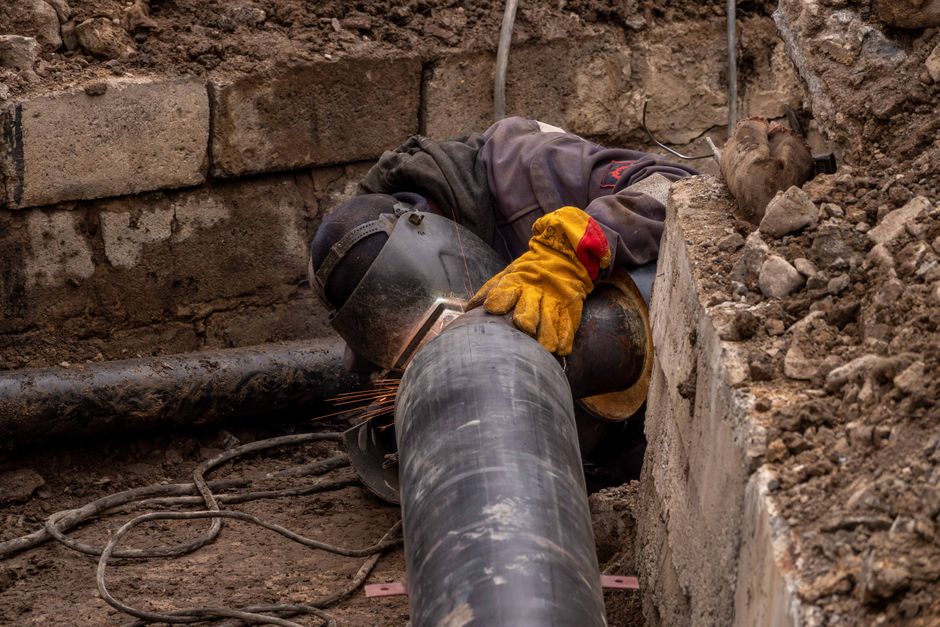
Traditional drain repair involves locating the damaged section of a drainage pipe, then excavating the surrounding ground to gain access. This process can be quite invasive, requiring heavy equipment and often disturbing gardens, driveways, or pathways around your home, whether in Totton or Nursling.
Once exposed, the broken or blocked pipe is repaired or replaced manually. This method has been the standard for many years and is known for offering a permanent, hands-on fix. However, excavation can lead to longer repair times and more disruption to your property’s exterior areas.
In Hampshire’s variable soil conditions, excavation work may sometimes be complicated by underground obstacles or proximity to other utilities, meaning the repair could take longer or be more costly than initially expected.
Understanding No-Dig Drain Relining
No-dig drain relining is a trenchless technology that repairs pipes without excavation. A resin-coated liner is inserted into the existing drain via manholes or access points, then inflated to fit the pipe’s interior and left to cure. This creates a new, durable lining inside the old pipe.
This method is less disruptive, preserving your garden or driveway, which is a significant advantage for homeowners in towns like Romsey or Hedge End where outdoor aesthetics and landscaping are important. Furthermore, relining typically takes less time than excavation repairs.
While no-dig relining can extend the lifespan of deteriorating pipes substantially, it may not be suitable for pipes that are severely collapsed or extensively damaged, as the liner requires a certain degree of structural integrity to adhere properly.
Pros and Cons of Traditional Drain Repairs
Traditional repairs are thorough and effective for major pipe damage, particularly when pipes have collapsed or roots have extensively infiltrated. They allow direct inspection and replacement of the damaged sections, ensuring a full fix.
However, excavation is disruptive, often requiring substantial digging that can damage driveways, lawns, or patios. In Southampton’s suburban areas or villages like Colden Common, this disruption can be particularly inconvenient and lead to additional costs for restoring the affected areas.
Furthermore, repairs may take longer due to the complexity of excavation, and depending on where the damage is located, it can be a costly procedure considering labour, equipment, and landscaping restoration.
Advantages and Limitations of Drain Relining
No-dig relining reduces disruption dramatically as it requires no extensive digging, making it ideal for properties with limited outdoor space or those wishing to preserve gardens and hard landscaping. This is especially beneficial in densely populated areas of Southampton or in tightly spaced properties in Bursledon.
Relining is also quicker, often completed within a day, allowing homeowners to return to normal routines faster. Additionally, the new lining is resistant to root intrusion and corrosion, extending the drain’s life.
Despite these benefits, relining may not be suitable if the pipe has large holes, severe blockages, or structural collapse. In such cases, the liner won't properly adhere or seal, making excavation necessary to fully resolve the problem.
How to Assess Your Drain’s Condition
The first step in deciding between repair or relining is a comprehensive drain survey, usually a CCTV drain inspection. This allows professionals to identify cracks, blockages, root ingress, or collapsed sections without guesswork.
In Southampton and surrounding Hampshire towns like Chandlers Ford or Fair Oak, quick access to drain survey technology helps homeowners assess the extent of damage with minimal disruption. A clear report on the pipe’s condition guides the choice of repair method.
Understanding the severity and exact location of the damage enables a tailored approach, avoiding unnecessary excavation or inappropriate relining, ensuring your drainage issue is resolved efficiently.
Local Considerations for Southampton and Hampshire Homeowners
Southampton and the wider Hampshire area experience variable soil types and weather conditions, which can influence drainage system wear and tear. Clay soils common in some parts of Hampshire can cause pipes to shift or crack over time, while high water tables near areas like the River Test at Romsey may accelerate pipe damage.
It's also important to consider local planning and access restrictions. Properties in heritage areas or with shared access lanes, such as in Nursling or Totton, may face limitations on excavation work, making no-dig relining a more convenient option.
Moreover, seasonal rainfall variations require prompt attention to drainage issues to prevent flooding or water damage, so your choice between traditional repair and relining should balance effectiveness with speed and property disruption.
Making the Right Choice for Your Drainage Needs
Choosing between traditional drain repair and no-dig relining depends on the damage severity, location, and your property’s unique circumstances. Minor cracks or narrow leaks often respond well to relining, while collapsed or heavily damaged pipes typically need excavation.
Homeowners in Southampton or nearby towns should prioritise an expert inspection before making a decision. This ensures you avoid unnecessary disruption and expense, with professional guidance tailored to your home’s specific drainage challenges.
Ultimately, balancing cost, disruption, and long-term durability will help you select the most appropriate method to maintain a healthy drainage system, keeping your property protected through Hampshire’s changing seasons.
Need a drainage expert in Southampton?
Call 023 8184 9826